

Introduction
If you come to Korea during the Christmas season around December, you might get the impression that Korea celebrates Christmas. Christmas pop songs are being played everywhere, stores have Christmas decorations up, with Christmas trees lighting up the streets. Coffee shops sell seasonal drinks, and department stores compete with elaborate light displays.
I was surprised to hear that Christmas is a couples holiday in Korea, similar to what you'd expect of Valentine's Day. People would ask what you do with your partner during Christmas. Coming from Germany, it was quite a contrast as Christmas is considered a family gathering fest. I'd compare that to Seollal or Chuseok to my Korean friends.
The difference isn't just cultural, it's in how the entire society approaches the holiday. In Western countries, Christmas often means family time, religious traditions, and a break from daily life. In Korea, it's more about romance, dating, and continuing with regular routines.
Work Life: Only One Public Holiday on the 25th
In Europe, especially that time is really to slow down from 24th to the first week of new year. Most people don't work. No new business is done. Everyone knows that time is to wind down, reflect on the year. Nothing new is going to be made, people are not reachable during that time. The countries all know and the pressure is being taken off the people.
In Europe, most companies already reserve the company-wide holiday during that time. Offices close for a week or even two. It's understood that productivity drops and people are mentally checked out anyway. Schools are closed, government offices are shut, and even public transport runs on reduced schedules.
In Korea, it's business as usual. You get 25th December off, as it's a public holiday, then you go right back to work the next day. There's no business disruption or anything. The 24th is a regular workday, and the 26th is too. If you need to contact someone for work, they'll likely respond. Companies don't shut down, and there's no collective understanding that this week is "off limits" for work.
This can be jarring for foreigners who are used to the European approach. You might find yourself working through what you'd normally consider holiday time, or feeling out of sync when your family back home is celebrating while you're at your desk.
Christmas Markets
Korea does have a small Christmas market every year, introducing some European Christmas food to Koreans. It's also just for a couple of days. These markets usually pop up in areas like Myeongdong or near City Hall, offering items like bratwurst, roasted chestnuts, and mulled wine.
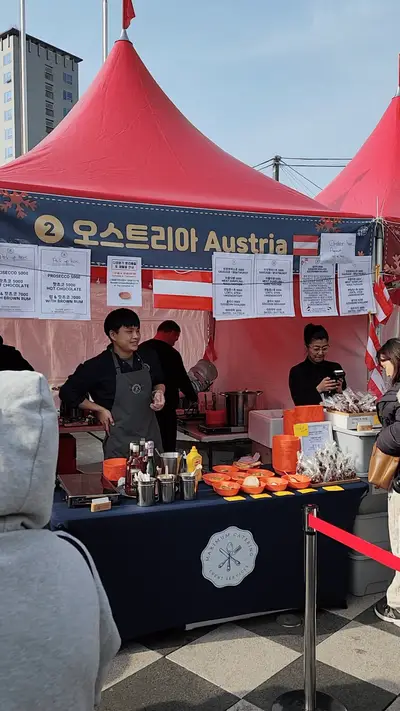
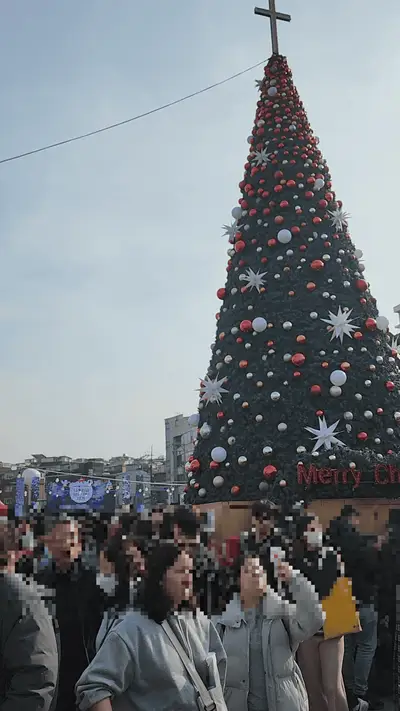
The scale is much smaller compared to Europe. You might find a few stalls set up for a weekend or maybe a week at most. It's more of a novelty experience than a cultural tradition. Most Koreans visit out of curiosity about European culture rather than as part of their own holiday routine.
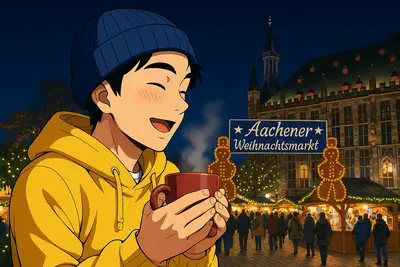
In Europe, on the other hand, it's now open from end of November up to Christmas. Where you would drink Vin Chaud, eat different dishes at food stalls, and just stroll through the market seeing the happy faces of people. These markets become community gathering places. Entire town squares transform into winter wonderlands with wooden chalets, twinkling lights, ice skating rinks, and live music.
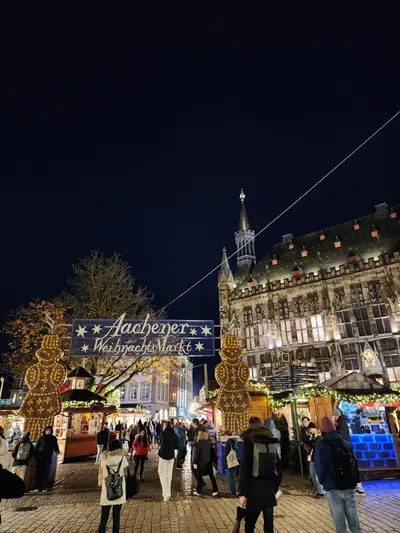
The atmosphere is completely different. European Christmas markets are about community, tradition, and soaking in the festive mood over weeks. Korean Christmas markets are more like a quick cultural experience, something to check out once and then move on.
Couples Holiday
In Korea, Christmas is the perfect date night. Couples would book a hotel and make a reservation for a restaurant. The streets of Seoul light up with romantic decorations, and popular date spots get fully booked weeks in advance.
It's the opposite of the family-centered Christmas tradition in many Western countries. Hotels offer special couple packages with decorated rooms, champagne, and breakfast. Restaurants create prix fixe Christmas menus that are more expensive than usual. There's even pressure on couples to do something special, similar to how Valentine's Day works in other countries.
If you're single during Christmas in Korea, you might feel left out. Social media fills up with couple photos at Christmas displays. Friends might ask "What are you doing with your boyfriend/girlfriend for Christmas?" assuming you have plans. This can be uncomfortable if you're used to Christmas being about family rather than romance.
For couples, though, it's a great excuse for a romantic evening. Popular spots include the Seoul Christmas Festival lights, hotel rooftop bars, fancy restaurants.
No Last Minute Christmas Present Stress
In Korea, I don't see the last minute present preparation stress. In Germany, I felt it often. My friends would keep stressing about still having to get Christmas presents. They need to order at Amazon months in advance because last minute orders are so overwhelming that it's just impossible to deliver everything before Christmas.
You'd see people on the 23rd still buzzing around the city center to go shopping their last Christmas presents. Department stores would be packed, checkout lines endless, and parking impossible to find. There's this collective panic as people realize they forgot someone or didn't get the right gift.
The pressure to get presents for extended family, coworkers, teachers, neighbors, and friends creates real stress. People create lists, set budgets, and spend weeks planning. Gift-giving is a huge part of the Christmas tradition in Western countries.
In Korea, as Coupang just works so well, I don't ever have the impression there's delay in orders at any point in time. The package just arrived at the front door the next day! But more importantly, there's no cultural expectation of mass gift-giving for Christmas. If couples exchange gifts, it's usually just between them, not for entire extended families.
This takes a huge amount of pressure off. You're not spending December running around shopping centers or stressing about shipping deadlines. You're not worried about disappointing relatives with the wrong present. Christmas gift-giving just isn't a big thing in Korea.
As Expats in Korea
If you can't make it home to your home country and celebrate Christmas with your loved ones, it could get a bit lonely if you are used to the warmth and the family gatherings during that time. The first Christmas away from home can be especially difficult. You might find yourself feeling homesick when you hear familiar Christmas songs in stores, or when you see photos of your family gathering without you.
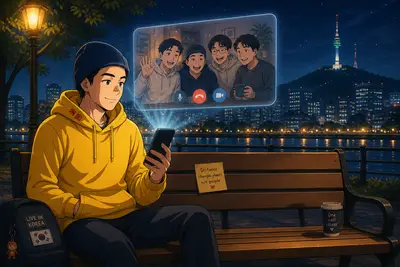
The lack of extended holiday time also makes it harder. In Europe, you'd have a week or two off work, giving you time to travel home or at least video call with family at length. In Korea, with just one day off, you might find yourself spending Christmas Day alone or working the day before and after.
Often expat communities organize events during that time. Or you just gather some friends to celebrate together, and cook different dishes and have fun. It's a good way to create your own traditions and find comfort in community. Churches with international congregations often hold special services and dinners. Expat groups on Facebook organize potlucks where everyone brings a dish from their home country.
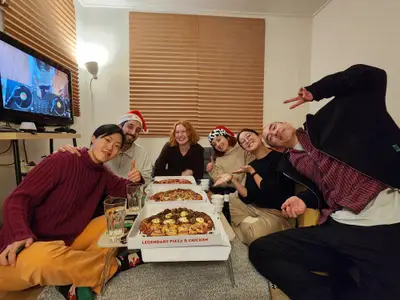
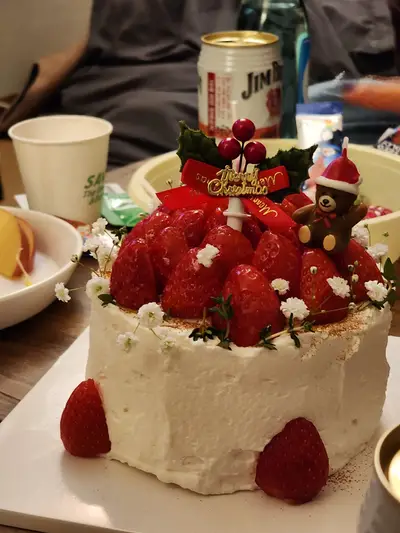
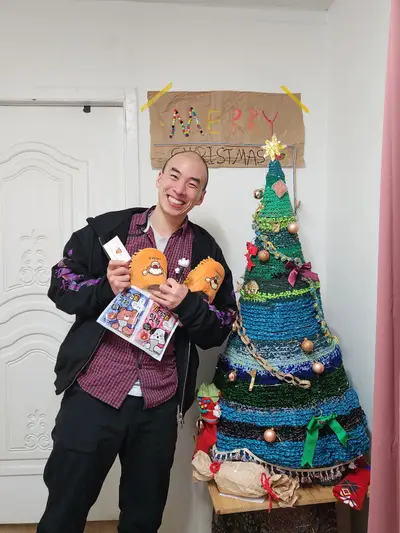
Some popular spots for expat Christmas gatherings include foreigner-friendly areas like Itaewon, Haebangchon, or Gyeonglidan. Restaurants and bars in these neighborhoods often host special Christmas events knowing their customer base includes many Westerners.
The key is planning ahead. Don't wait until Christmas Eve to figure out your plans, or you'll end up alone and sad. Reach out to expat communities early, organize something with friends, or volunteer somewhere. Creating new traditions helps ease the homesickness.
Conclusion
Christmas has a very different meaning in Korea than in Europe. As Europe was built on Christian values, the meaning is much bigger than in Korea, which sees Christmas more like an event to increase sales and decorate the stores. It's largely commercialized rather than deeply traditional.
For expats, understanding this difference helps manage expectations. You won't find the family warmth and the month-long celebration you might be used to. But you'll discover a unique Korean twist on the holiday, romantic lights, festive atmosphere, and maybe a chance to create new traditions with friends.
The adjustment takes time. Your first Christmas in Korea might feel strange and lonely. But over time, you learn to appreciate the different approach. Maybe you enjoy the lack of gift-giving stress. Maybe you like that there's no family drama or obligation. Maybe you create your own traditions that feel more meaningful than what you had back home.
Whether you spend it as a couple, with friends, or at an expat gathering, Christmas in Korea is what you make of it. It's a chance to step outside your cultural expectations and experience a holiday from a completely different perspective. And who knows, you might even enjoy the Korean way of doing things.
🏠 Looking for Housing in Korea? Renting Made Easy!
10% Off Service Fee with code:
KIMNINJA10
Enkostay Benefits:
✅ No Deposit ✅ Online Booking ✅ Immigration-friendly docs ✅ Flexible Contracts
Perfect for:
👨🏻💻 Digital Nomads 🎓 Students ✈️ Long-Term Travelers 🧳 Working Holiday
📬 Weekly Tips in Your Inbox
Whether you’re visiting, staying long-term, or relocating. I share honest insights, guides, and tools to help you navigate life in Korea.
Join 1,000+ readers learning how to live smarter in Korea, from visas to vibes.
👋 About Kim Ninja

Kim Ninja (Nguyen Huy Kim)
🧭 Cultural Guide · ✍️ Storyteller · 🎨 Curator
📢 Creator helping foreigners understand and thrive in Korea
🗺️ I turn everyday challenges into comics, guides, and stories
The blog published by Kim Ninja (Huy-Kim Nguyen) is available for informational purposes only and is not considered legal advice on any subject matter.